Review: 3d Layered SVG. Sugar Skull 4 for Embroidery
As a designer who spends more time staring at stitch simulations than most people care to admit, I approach every new file with a mix of curiosity and skepticism. When I first pulled up 3d Layered SVG. Sugar Skull 4, my initial reaction wasn't about the digital layers intended for paper cutting or shadow boxes, but rather how this bold aesthetic would translate into thread. The visual personality here is undeniable; it carries that classic Day of the Dead vibrancy but with a modern, graphic edge that feels fresh rather than cliché. For those of us running small shops or managing custom apparel orders, finding a design that balances artistic flair with technical stitchability is the holy grail.
First Impressions and Visual Mood
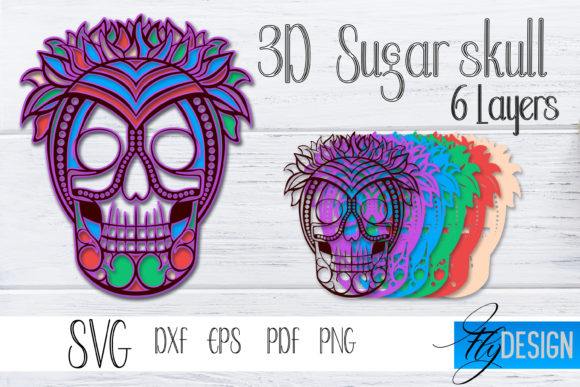
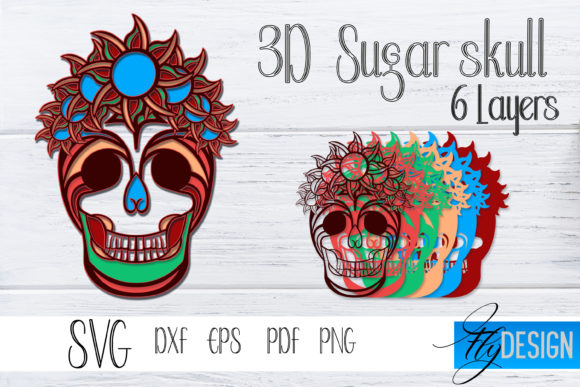
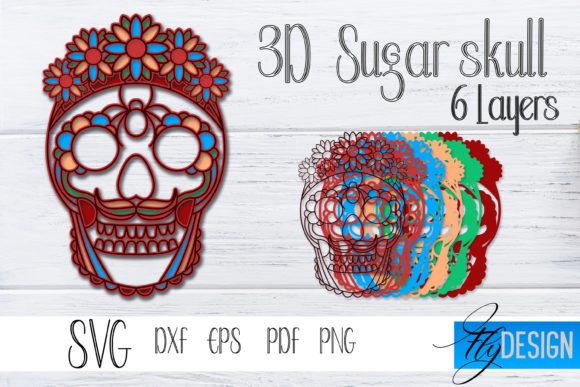
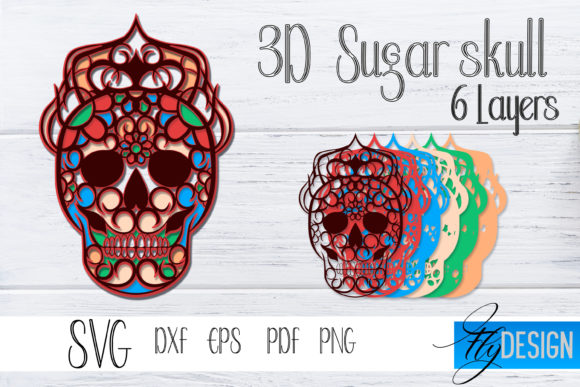
The layout of this design immediately suggests depth. Even in its vector form, you can see how the elements are stacked to create dimension. In the world of Shadow Boxes and papercraft, this is perfect for creating lightboxes or holiday decor. However, as an embroidery reviewer, I look at those same lines and think about stitch density and color separation. The mood is festive yet slightly edgy, making it a versatile candidate for more than just Halloween. It works beautifully for boutique branding where the owner wants to stand out from the sea of generic floral or typographic logos.
The shape is robust, with defined corners and clear separation between the skull structure and the decorative floral or geometric accents often found in sugar skull motifs. This clarity is crucial. When you are working with a machine embroidery design, blurry details get lost in the thread. Here, the strong outlines suggest that if digitized correctly—or if the file includes embroidery formats alongside the 3D SVG data—it will hold up well against the texture of fabric.
Real-World Application: The Custom Tote Scenario
To truly test the viability of 3d Layered SVG. Sugar Skull 4, I imagined a specific client request: a limited-run series of canvas tote bags for a local art gallery's upcoming exhibition. The goal was to create a handmade product that felt premium and durable. Canvas is a forgiving fabric, offering a stable base for detailed work. Placing this design on a natural cotton tote allows the colors to pop without the distraction of a busy fabric pattern.
In this scenario, the design acts as the centerpiece. If we treat the layers as separate color blocks for applique design techniques, we could use different fabric textures for each layer of the skull, adding actual physical depth that mimics the digital 3d Layered Cut File concept. Alternatively, using varied fill stitch patterns for the inner layers and a crisp satin stitch for the borders would create a tactile experience for the customer. The result is a finished product that looks expensive and thoughtful, directly boosting customer trust and perceived value.
This same logic applies to sweatshirt embroidery. A heavyweight fleece provides enough stability to support the density required for such a detailed image. Whether it is a personalized gift for a friend who loves eclectic art or a piece of small shop product inventory, the design commands attention. It transforms a basic garment into a statement piece.
Navigating Technical Challenges
While the aesthetic is strong, practical application requires caution. Not every surface is ready for 3d Layered SVG. Sugar Skull 4. If you are considering this for baby embroidery, you must be wary of the stitch count and density. Infants have sensitive skin, and a large, dense block of stitching on a onesie might be uncomfortable. Furthermore, stretchy fabrics like thin jersey knits can distort complex designs unless proper stabilization is used.
Curved surfaces present another hurdle. Attempting to stitch this on a structured cap requires careful hooping and potentially breaking the design into smaller sections if the hoop size is limited. The detailed corners of the skull could pucker if the tension isn't dialed in perfectly. Similarly, dark fabrics require a thoughtful approach to thread colors. While the design likely relies on bright, contrasting hues, ensuring there is enough underlay to prevent the dark garment from showing through the lighter thread sections is essential for a professional look.
For items that need frequent washing, like kitchen towels or aprons, the durability of the stitch becomes paramount. A design with many tiny, isolated details might fray over time. It is always wise to test the design on scrap fabric of the same weight and weave before committing to a production run. This simple step saves money and protects your reputation as an Etsy seller or commercial decorator.
Enhancing Brand Value and Customer Engagement
Ultimately, the choice of design assets dictates the quality of your output. Using a high-quality file like 3d Layered SVG. Sugar Skull 4 signals professionalism. When customers see clean lines, consistent spacing, and vibrant color execution, they associate those qualities with your brand. This is particularly important for commercial embroidery projects where consistency across multiple units is key.
The versatility of this design also aids in marketing. It serves as excellent content for printable mockups and digital previews. You can easily visualize how it looks on a tote bag design, a pillow cover, or a patch before ever threading the needle. This ability to preview helps in gauging buyer engagement and refining your product listings. For holiday embroidery seasons, having a unique sugar skull option can differentiate your shop from competitors sticking to traditional pumpkins or ghosts.
Practical Notes for the Studio
Before diving into production with 3d Layered SVG. Sugar Skull 4, here are a few non-negotiable steps for any serious maker:
- Check Licensing: Always confirm the license terms. Just because a file is labeled as a digital embroidery file or cut file doesn't automatically grant commercial rights for unlimited sales. Ensure you are cleared to sell finished items or digital derivatives.
- Verify Formats: The product description mentions SVG and sublimation prints. If you need a native machine format (like PES, DST, or EXP), verify if it is included or if you need to digitize it yourself using the SVG as a template.
- Stabilizer Selection: Match your stabilizer to the fabric. Heavy designs on stretchy materials often require cut-away stabilizer to prevent distortion over time.
- Color Contrast Testing: Run a black-and-white test stitch-out. This reveals if the design relies too heavily on color to define shapes, which can be problematic if a customer requests a monochrome version.
- Hoop Capacity: Measure the design dimensions against your available hoop sizes. Don't assume it fits a standard 4x4 hoop without checking the specific measurements provided in the download.
In conclusion, 3d Layered SVG. Sugar Skull 4 offers a compelling blend of artistic style and functional potential. While it originates in the realm of paper crafting and Shadow Boxes, its structural clarity makes it a strong contender for textile applications when handled with care. By respecting the limitations of fabric and thread, and by prioritizing testing and preparation, you can turn this digital asset into a standout embroidered patch, a beloved holiday gift, or a best-selling item in your craft business. The key lies in treating the digital file not just as an image, but as a blueprint for a tangible, high-quality creation.