Review: 3D Blue Ocean SVG for Real Embroidery Projects
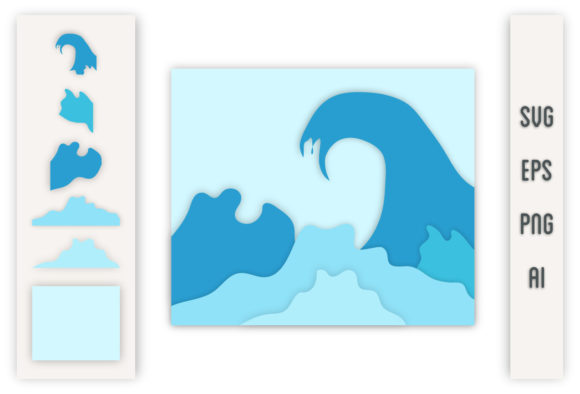
When I first pulled up the 3D Blue Ocean SVG on my screen, my immediate reaction wasn't just about the aesthetic; it was about potential. As a designer who spends hours staring at digitized files and imagining them stitched onto fabric, I look for more than just pretty shapes. I look for flow, balance, and the kind of visual personality that translates well from a digital vector to a tactile finished product. This design, categorized under Shadow Boxes and labeled as a 3D SVG, immediately struck me as a versatile asset for anyone looking to elevate their craft business or create meaningful personalized gifts.
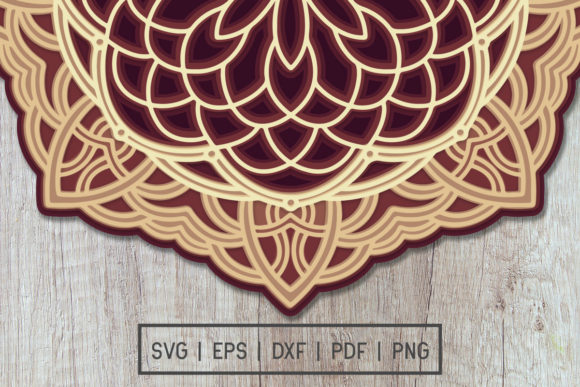
The mood this design creates is undeniably serene yet dynamic. The layering inherent in a 3D SVG format suggests depth, which is crucial when you are trying to mimic the movement of water or the vastness of the sea on a flat surface. For embroidery designers, this means we aren't just dealing with a static image; we are looking at a composition that invites texture. Whether you are planning a sweatshirt embroidery project for a coastal boutique or a delicate baby embroidery piece for a nursery, the visual weight of the ocean theme feels appropriate without being overwhelming.
Putting the Design to the Test: A Real-World Scenario
To truly evaluate any machine embroidery design or cut file, I like to simulate a real client order. Let's say a local surf shop owner approaches me to create a line of branded tote bag designs and aprons for their summer collection. They want something that screams "ocean life" but needs to remain sophisticated enough for everyday wear. This is where the 3D Blue Ocean SVG shines.
Because the files provided include editable formats like AI, EPS, and SVG, I have the freedom to adjust the colorization perfectly to match the shop's brand palette. In a real production environment, this editability is gold. I can take the base blue tones and shift them toward a teal for a tropical vibe or a deep navy for a more nautical, professional look. When I visualize this stitched onto a canvas tote, I imagine using a combination of satin stitch for the defining waves and a fill stitch for the deeper water areas to create that coveted 3D effect. The result would be a handmade product that feels premium, justifying a higher price point for the Etsy seller or small shop owner.
Navigating Fabric Choices and Stitching Challenges
However, enthusiasm must always be tempered with practicality. While the 3D Blue Ocean SVG offers great visual appeal, there are specific scenarios where caution is required. If you are working with textured fabrics, such as a heavy waffle weave or a loosely knit sweater, the finer details of the ocean layers might get lost. The definition between the different depths of the "shadow box" style relies on clean lines. On a rough fabric texture, those lines could blur, reducing the clarity of the design.
Similarly, if you are attempting this on stretchy fabric like a thin cotton tee or a performance jersey, stability is key. Without the proper stabilizer, the density of the stitches required to build up the 3D look could cause the fabric to pucker or distort. I always advise testing the design on scrap fabric first. This isn't just a suggestion; it's a necessity for maintaining brand consistency and customer trust. A puckered logo on a custom apparel item looks unprofessional and can damage your reputation as a maker.
Another consideration is the hoop size. Since this is a layered design intended to create depth, it likely requires a decent amount of space to breathe. Trying to shrink this down for a tiny pocket on a cap or a small corner of a handkerchief might compromise the integrity of the layers. If the design elements become too small, the stitch density might become too high for the machine to handle cleanly, leading to thread breaks or bird nests. Always confirm the recommended hoop size and inspect small details before committing to a full production run.
Enhancing Visual Appeal and Product Value
The true value of the 3D Blue Ocean SVG lies in its ability to enhance the perceived value of the item it adorns. In the world of commercial embroidery and handmade goods, presentation is everything. A simple flat design is nice, but a design that utilizes layering to create a shadow-box effect stops the eye. It invites the customer to look closer. This engagement is vital for Etsy listings where photos are the primary sales tool. When you create a printable mockup or take photos of the actual embroidered patch or garment, the depth of this design adds a level of sophistication that generic clipart simply cannot match.
For holiday gifts or wedding presents, such as a personalized pillow cover or a kitchen towel for a beach house, this design adds a touch of thoughtfulness. It shows that effort was put into selecting a motif that has dimension and character. The use of varying thread colors within the blue spectrum can create a gradient effect that mimics real water, increasing the giftability of the item. Customers are willing to pay more for items that feel unique and professionally executed, and this file provides the foundation for that quality.
Final Designer Notes and Best Practices
Before you dive into using the 3D Blue Ocean SVG for your next embroidery project, here are a few practical steps to ensure success. First, remember that while the download includes Adobe Illustrator, EPS, SVG, PDF, JPEG, and PNG files, these are primarily vector and image formats. If you are using an embroidery machine, you will need to ensure you have the correct embroidery file format (like DST, PES, or EXP) compatible with your specific machine, or be prepared to digitize the SVG yourself if you have the software skills. The description notes all files are editable for colorization, which is fantastic for prep work, but double-check the licensing terms if you plan to sell the digital assets themselves versus the physical small shop product.
- Test on Scraps: Always run a test stitch-out on the same type of fabric you intend to use for the final product to check for pull and registration.
- Check Contrast: Review how the design looks in black and white mockups to ensure the layers distinguish themselves clearly without relying solely on color.
- Stabilizer Selection: Use a cut-away stabilizer for stretchy garments and a tear-away for stable woven fabrics like tote bags or aprons to support the 3D layers.
- Thread Quality: High-quality thread with a slight sheen can enhance the water effect, making the ocean look more vibrant and alive.
- Lighting Matters: When photographing your finished product, use lighting that highlights the shadows between the layers to emphasize the 3D nature of the design.
In conclusion, the 3D Blue Ocean SVG is a robust tool for creative entrepreneurs. It bridges the gap between digital convenience and tactile artistry. Whether you are decorating a holiday embroidery gift, creating branding for a seaside cafe, or simply adding a beautiful accent to a home decor item, this design holds up under scrutiny. It demands respect for the materials and the process, but when handled with care, it delivers a result that is both visually stunning and commercially viable. Just remember to verify your file compatibility and licensing details to ensure your craft business runs smoothly and legally.