I Love You Card: A Designer's Take on Layered Valentine Embroidery
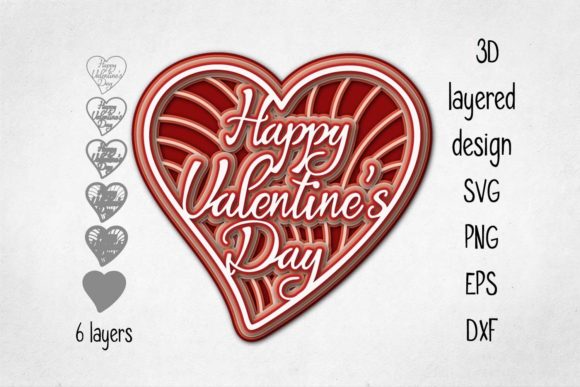
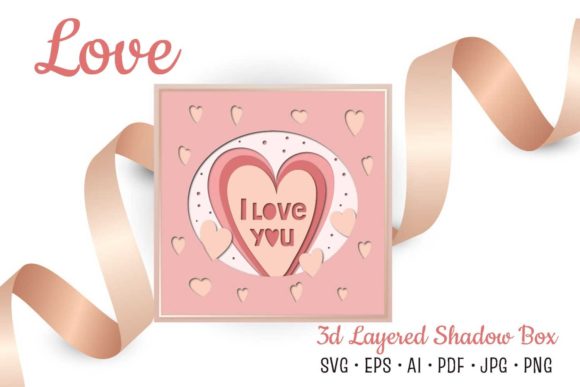
When I first pulled up the I Love You Card design file on my screen, my immediate reaction wasn't just about the sentiment; it was about the structure. As someone who spends hours hooping fabric and tweaking tension settings, I look for designs that translate well from a digital preview to a tangible, stitched reality. This particular piece, described as a Shadowbox 3d Layered concept, immediately signals a specific kind of depth. While the source material mentions SVG cutting files and papercut templates—terms usually reserved for die-cutting machines—the visual language here screams dimensional embroidery. It suggests a project where layering isn't just an aesthetic choice but a structural necessity.
The Visual Personality and First Impressions
The mood of this design is undeniably romantic yet modern. It avoids the overly cursive, swirly fonts that often turn into thread blobs after fifty washes. Instead, the layout feels architectural. The "Shadowbox" element implies distinct planes of focus, likely requiring a strategic approach to stitch density. In a real-world embroidery project, this means we aren't just dumping satin stitches onto a tee; we are building a composition. The heart decor theme is classic for St. Valentine's Day, but the execution here feels more suited for boutique branding than a generic craft fair find. It has the clean lines necessary for high-end custom apparel or a sophisticated personalized gift.
For an Etsy seller or small shop owner, the visual appeal is crucial. Customers scrolling through listings need to see clarity. If the layers in the I Love You Card design are too close together without proper spacing, the threads will merge, losing that crisp 3D effect. My advice is to scrutinize the underlay. A design like this relies heavily on a solid foundation to keep those layered elements distinct, especially if you are aiming for that papercut look using thread.
Real-World Application: The Boutique Sweatshirt Scenario
Let's walk through a practical scenario. Imagine a client comes to your craft business wanting a limited-run collection of Valentine's Day sweatshirt embroidery for their local coffee shop. They want something that looks handmade but professional. This is where I Love You Card shines. Placed on the left chest of a heavyweight French terry sweatshirt, the layered aesthetic adds texture without overwhelming the garment.
However, you have to be careful with the fabric texture. Heavy fleece or loopback cotton can swallow fine details. If the design includes tiny lettering or intricate corners typical of shadowbox styles, you might need to scale it up slightly or simplify the inner details. I would recommend running a test stitch-out on a scrap piece of the exact same sweatshirt material. Check how the fill stitch interacts with the loops of the fabric. Does it sink in? Do you need a thicker cut-away stabilizer to keep the edges crisp? These are the questions that separate a hobbyist from a pro.
Another excellent application is a tote bag design. Canvas provides a stable, tight weave that handles dense stitching beautifully. The rigid nature of a tote bag mimics the stiffness of a paper card, making it the perfect substrate for a design inspired by papercutting. Here, the contrast of thread colors becomes vital. Using a matte thread against the rough canvas can enhance the handmade feel, while a high-sheen rayon might make it look too commercial.
Navigating Technical Challenges and Fabric Choices
While the potential is high, there are areas where caution is required. The description mentions Shadow Boxes and 3D effects. In embroidery, achieving true 3D often involves foam or specific stacking techniques. If this digital embroidery file is intended to simulate that look purely through stitching, you must be wary of stretchy fabric. Putting a dense, multi-layered design on a thin jersey knit for a baby item could result in puckering that ruins the finished product. For baby embroidery, comfort is king; a heavy backside of stitches might irritate sensitive skin.
Curved surfaces present another hurdle. If you plan to use this on a cap, the curvature of the front panel can distort the alignment of the layers. The "shadow" effect might look uneven if the hoop isn't perfectly centered or if the fabric shifts during the run. Similarly, dark fabrics require careful consideration of the underlay. If the base layer isn't bright enough or dense enough, the top colors of the I Love You Card design might appear muted or muddy.
Small hoop sizes are also a constraint. If the design is intricate, cramming it into a 4x4 hoop might force you to reduce the size to a point where the satin stitch columns become too narrow to hold properly. Always check the recommended minimum dimensions before committing to a small item like a sock or a narrow strap.
Enhancing Brand Value and Customer Trust
Ultimately, the choice of design affects your brand consistency. Using a well-thought-out asset like I Love You Card signals to your customers that you care about detail. It elevates a simple holiday gift into a keepsake. When a customer receives an item where the stitching is clean, the layers are distinct, and the presentation is polished, it builds trust. They are more likely to return for future commercial embroidery projects or recommend your small shop product to friends.
For those creating printable mockups or digital previews for their online stores, this design offers great versatility. The clear shapes allow for realistic rendering in photos, helping buyers visualize the handmade product before they buy. However, ensure your mockups accurately reflect the texture of the thread; don't promise a flat print look if the reality is a textured, raised stitch.
Practical Notes for the Professional Maker
Before you start stitching for profit, here are a few non-negotiable steps:
- Test on Scraps: Never skip the test run. Use the exact fabric and stabilizer combination you plan to sell.
- Check Licensing: The product description mentions it is perfect for gifts, but always confirm if the license allows for commercial embroidery sales. Can you sell the physical item? Can you sell the digitized file? Clarify this to avoid legal issues.
- Contrast is Key: Review the design in black and white on your screen. If the layers blend together in grayscale, they will likely lack definition when stitched.
- Stabilizer Strategy: For a design with "shadowbox" elements, you likely need a robust cut-away stabilizer to support the weight of the multiple layers.
- Verify File Formats: Ensure the file you receive is compatible with your machine. While the description highlights SVGs for crafters, embroidery machines typically need PES, DST, EXP, or JEF formats. Do not assume an SVG will stitch directly without digitizing software.
In conclusion, the I Love You Card design holds significant promise for creators looking to add depth to their Valentine's Day offerings. Whether you are decorating a kitchen towel, creating an embroidered patch, or launching a new line of holiday embroidery goods, the key lies in respecting the materials and understanding the mechanics of the stitch. With the right preparation and a keen eye for detail, this design can be the centerpiece of a highly successful seasonal collection.