Reviewing 3D SVG CRFAT FILE for Real Embroidery Projects
As a designer who spends more time at the hoop than away from it, I approach every new digital embroidery file with a mix of curiosity and skepticism. We've all downloaded a design that looked stunning on a screen but turned into a thread nest on fabric. Today, I'm taking a close look at 3D SVG CRFAT FILE, a creative 3D multilayer art design marketed for home decor, wall art, and gifts. While the product description highlights its versatility with materials like card stock, wood, and plastic, my focus is strictly on how this graphic translates into a tangible machine embroidery design for apparel and soft goods.
First Impressions: Mood and Visual Personality
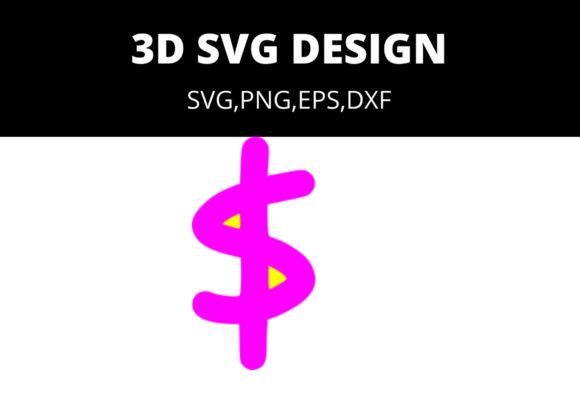
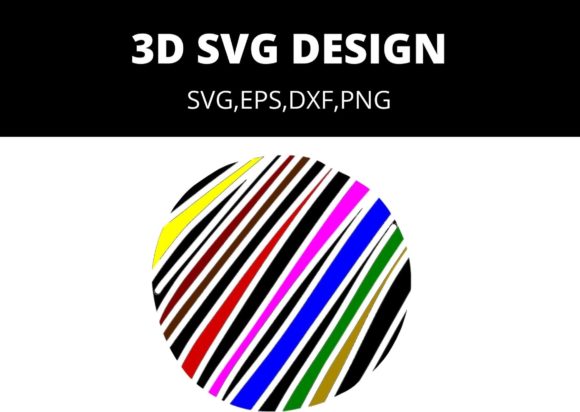
When I first pulled up the preview for 3D SVG CRFAT FILE, the immediate takeaway was its dimensional potential. In the world of Crafts and Graphics, "3D" often implies a specific layering technique that adds depth without necessarily requiring foam padding. The layout suggests a bold, modern aesthetic that relies on overlapping elements to create shadow and form. This isn't a delicate, vintage floral; it has a structural personality that demands attention.
The shape and theme feel contemporary, making it a strong candidate for boutique branding or statement pieces. For an Etsy seller looking to differentiate their small shop product lineup, this kind of visual weight is crucial. It doesn't just sit on the fabric; it interacts with the light, which is exactly what you want for a high-value handmade product. However, the complexity of the layers means that stitch placement will be critical. If the layers are too tight, you risk bulk; too loose, and the 3D effect collapses.
Real-World Application: The Custom Tote Bag Scenario
To truly evaluate 3D SVG CRFAT FILE, I imagined a specific client request: a custom embroidered tote bag for a local farmer's market vendor. They wanted something durable, eye-catching, and professional. This is where the design's multi-use nature shines. Because the artwork is built on distinct layers, it adapts well to the canvas texture of a tote bag.
In this scenario, I would likely treat the design as a sophisticated applique design or a dense fill project. Using a satin stitch for the outer contours and a fill stitch for the internal layers would give the bag a premium feel. The customer reaction to such a piece is usually immediate; the tactile nature of the layered stitching invites touch, increasing the perceived value of the item. Whether it's a tote bag design or a heavy-duty apron, the structural integrity of this graphic holds up well against thicker fabrics where a flatter design might get lost.
Beyond bags, I can see this working beautifully as sweatshirt embroidery. On a fleece or French terry background, the raised elements of the design would catch the light differently than on smooth cotton, adding a cozy yet stylish vibe perfect for holiday gifts or team uniforms. For baby embroidery, however, I would proceed with caution. The multiple layers could create a rough underside if not properly finished, which might irritate sensitive skin. In those cases, a backing fabric or a modified stitch approach would be necessary.
Navigating Technical Challenges and Fabric Choices
No design is universal, and 3D SVG CRFAT FILE requires thoughtful application depending on your medium. One area needing careful consideration is stitch density. Multilayer designs inherently stack thread, which can lead to puckering if the fabric isn't stable enough. If you are working with stretchy fabrics like jersey knits or thin silks, this design might be too heavy without significant stabilization.
I always advise testing on scrap fabric first. Specifically, check how the design behaves on dark versus light backgrounds. The interplay of shadows in a 3D design can sometimes get muddy on black fabric if the thread colors aren't high-contrast enough. Similarly, curved surfaces like caps present a challenge. While possible, the rigid nature of the layered look might not drape well over the front panel of a baseball cap unless the hoop size is perfectly matched to the available space.
Small details also warrant a second look. If the design includes tiny lettering or intricate corners, ensure your machine can handle the resolution. A running stitch used for fine details might break up if the density is too high. Always review the small details in a zoomed-in view before committing to the final stitch-out. For products that need frequent washing, like kitchen towels or children's clothes, verify that the edges are well-tacked to prevent fraying over time.
Enhancing Brand Value and Customer Trust
From a business perspective, the choice of design directly impacts brand consistency. Using 3D SVG CRFAT FILE in your commercial embroidery projects signals a commitment to quality. It moves beyond basic monograms into the realm of art. For creative entrepreneurs selling digital assets or finished goods, this level of detail justifies a higher price point.
The visual appeal of the finished product drives buyer engagement. When a customer sees a listing with a crisp, dimensional mockup, they trust the maker's skill. This is particularly true for personalized gift markets, where uniqueness is the primary selling point. Whether you are creating wedding gifts, nursery decor, or holiday embroidery, the professional presentation of the design builds confidence. It tells the buyer that this isn't just a generic item; it's a curated piece of craftsmanship.
Practical Notes for the Professional Maker
Before you launch this design into production, here are my top recommendations for ensuring success:
- Stabilizer Selection: Given the multi-layer nature, use a cut-away stabilizer for stretchy fabrics and a tear-away for stable wovens. Don't skimp here; the weight of the design needs support.
- Thread Contrast: Experiment with thread colors. Sometimes using two shades of the same color family enhances the 3D effect better than contrasting colors.
- Hoop Size Verification: Confirm the required hoop size against your machine's capabilities. Large, complex designs often need a larger hoop to minimize jumps and re-hooping.
- Mockup Testing: Create printable mockups in both black and white to check the contrast and readability of the layers before stitching.
- Licensing Check: Since this falls under Crafts and Graphics, always confirm the licensing terms. Ensure you have the right to sell finished items or digital derivatives if that is part of your business model.
Ultimately, 3D SVG CRFAT FILE is a versatile asset that bridges the gap between digital art and tactile creation. It rewards the user who pays attention to fabric texture, stabilizer choice, and stitch execution. For the apparel decorator or hobbyist willing to test and refine, it offers a pathway to creating standout pieces that resonate with customers. Just remember, the magic happens not in the download, but in the thoughtful application of the design to the right project.