Review: Colorful 3D Rainbow Svg Design 5 for Embroidery
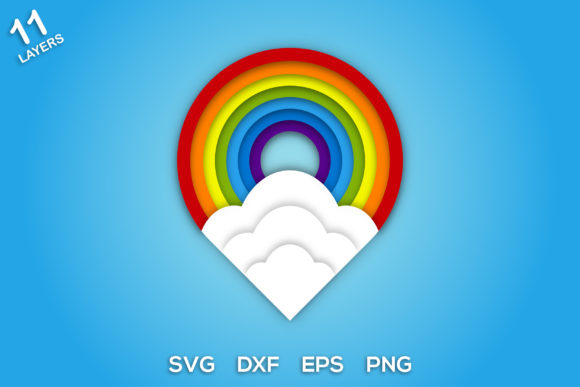
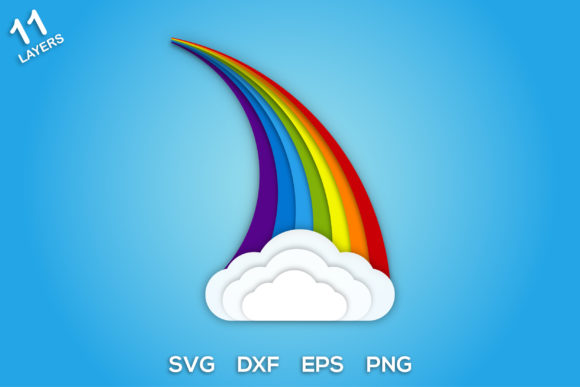
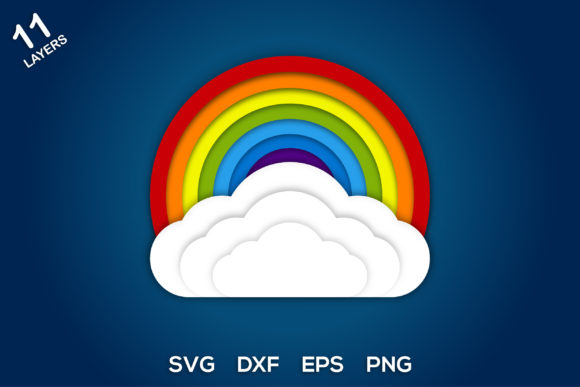
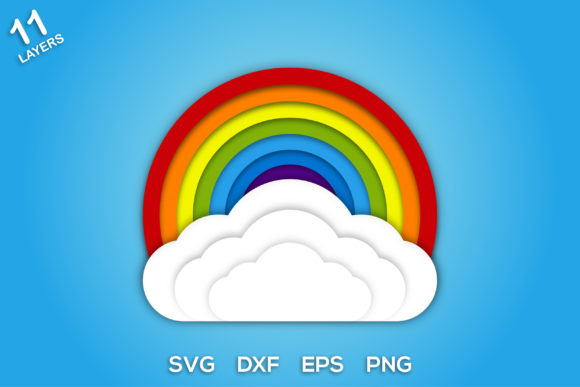
When I first pulled up the Colorful 3D Rainbow Svg Design 5 on my screen, my immediate reaction wasn't just about the colors; it was about the depth. As a designer who spends half their life staring at flat vectors and the other half managing thread tension on a machine, I look for files that translate well from digital to physical. This design falls under the Shapes category, but don't let that simple classification fool you. The "3D" aspect here suggests a layered complexity that demands careful planning before you hit the start button on your embroidery machine.
The visual personality of this file is undeniably cheerful and modern. It creates a mood of optimism and playfulness, which makes it a natural fit for nursery decor, boutique children's apparel, or spring-themed collections. However, the real test for any machine embroidery design is not how it looks on a monitor, but how it behaves when thousands of stitches are punched into fabric. Let's break down how this specific asset performs in a real-world craft business scenario.
Putting the Design to the Test: A Real-World Scenario
To give you a practical assessment, I imagined a specific project: a custom order for a local boutique needing a run of personalized tote bags for a spring market. The client wanted something vibrant that would pop against natural canvas. The Colorful 3D Rainbow Svg Design 5 seemed perfect on paper. The multilayer structure promised a dimensional look that could mimic the popular papercut style often seen in 3D SVG projects, but executed in thread.
In this scenario, the design's layout is crucial. Because it relies on layers to create that three-dimensional illusion, the transition between colors needs to be crisp. If you are using this for sweatshirt embroidery or a thick tote bag design, the stacking of threads can add significant height. This is great for texture, but it requires a robust stabilizer to prevent the fabric from puckering under the weight of the design. For a handmade product intended for sale, that professional finish—where the back looks almost as neat as the front—is what builds customer trust.
Versatility Across Products and Fabrics
One of the strongest assets of this file is its adaptability. While my mental test case was a tote bag, this design shines equally well in other areas. Imagine applying this to a baby embroidery project, perhaps on a soft muslin onesie. Here, you would need to be cautious. The stitch density in the colored bands might be too heavy for delicate skin or stretchy knits. In such cases, scaling the design down and reducing the fill density in your software would be a necessary step.
Conversely, for custom apparel like denim jackets or canvas aprons, the density is likely an advantage. It provides coverage and durability. If you are an Etsy seller looking to expand your catalog, this design could easily be adapted into an embroidered patch. Patches are a huge trend right now, and the distinct layers of this rainbow design would stand out beautifully on a twill base. It also works well for holiday embroidery; think of St. Patrick's Day items or Pride month merchandise where bold, colorful statements are key.
For those selling digital embroidery files or design assets, this file offers good value because it serves multiple niches. It can be marketed for home decor, such as pillow covers or wall hangings, where the 3D effect adds an artistic touch similar to a painting. However, always remember to check the licensing terms provided with the download to ensure you are cleared for commercial use if you plan to sell the finished product.
Technical Considerations and Potential Pitfalls
While the aesthetic appeal is high, there are technical areas where you need to exercise caution. The "3D" nature of the design implies overlapping elements. On curved surfaces, like a cap or a structured hat, these overlaps can cause registration issues. The needle might struggle to penetrate multiple layers of built-up thread, potentially leading to broken needles or skipped stitches. If you attempt this on a cap, I strongly recommend using a high-cutaway stabilizer and possibly slowing down your machine speed.
Fabric texture also plays a massive role. On a smooth, tight-weave cotton, the satin stitch or fill stitch boundaries will look sharp. But if you try this on a textured linen or a fuzzy fleece, the fine details between the rainbow layers might get lost. The thread colors need to have high contrast to maintain the 3D illusion. If the shades are too similar, the dimensionality collapses, and it just looks like a flat, slightly muddy shape.
Another critical factor is the hoop size. Depending on the original scale of the file, you might need a larger hoop to accommodate the full width of the rainbow without re-hooping, which can lead to alignment errors. Always check the dimensions of the embroidery file before purchasing or downloading. If the design includes tiny details or sharp corners, verify that your machine can handle the resolution. Small, intricate corners in a multi-layer design are prone to bird-nesting if the digitizing isn't top-notch.
Maximizing Visual Appeal and Brand Value
Using a well-executed design like Colorful 3D Rainbow Svg Design 5 can significantly elevate your brand perception. Customers associate clean, vibrant embroidery with quality. When they see a personalized gift or a boutique item with crisp lines and rich colors, they perceive higher value. This design, with its creative layering, offers a unique look that separates your work from standard, flat stock designs found everywhere.
However, consistency is key. If you use this for a small shop product line, ensure that your thread chart is standardized. Using different brands of thread with varying sheens can alter the 3D effect. A matte thread might flatten the look, while a high-sheen rayon could exaggerate the depth. Test your printable mockup ideas against actual stitched samples to manage customer expectations accurately.
Final Designer Notes and Recommendations
Before committing this design to a client's expensive garment, follow these practical steps:
- Stitch Out a Sample: Always test the design on a scrap piece of the actual fabric you intend to use. This reveals how the material reacts to the stitch density.
- Check Contrast: View your thread choices in black and white (or take a photo and desaturate it) to ensure the layers distinguish themselves clearly without relying solely on hue.
- Stabilizer Selection: Given the multi-layer nature, err on the side of a heavier stabilizer. It is better to have a slightly stiffer backing than a puckered mess.
- Verify File Details: Since specific stitch counts and formats weren't detailed in the brief description, confirm these specs. Ensure the file format matches your machine (PES, DST, EXP, etc.).
- Licensing Check: Double-check the license agreement. Some "Multi Use" designs have restrictions on the number of physical items you can sell or prohibit selling the digital file itself.
In conclusion, Colorful 3D Rainbow Svg Design 5 is a versatile and visually striking asset for the modern maker. It bridges the gap between digital art and tactile craftsmanship. Whether you are creating a custom apparel line, crafting holiday gifts, or stocking your Etsy shop with unique home decor, this design holds significant potential. Just approach it with the respect due to any complex applique design or layered project: plan your materials, test your settings, and let the creativity flow. With the right preparation, this rainbow can be the centerpiece of a highly successful product line.