Review: Colorful 3D Rainbow Svg Design 3 for Embroidery
As a designer who spends more time staring at stitch simulations than most people care to admit, I approach every new digital embroidery file with a mix of curiosity and skepticism. When I first opened Colorful 3D Rainbow Svg Design 3, my immediate reaction wasn't just about the bright colors; it was about the structural integrity of the layers. In the world of Shapes, a rainbow is deceptively simple. It looks easy on a screen, but translating that into a tangible handmade product requires careful consideration of how those arches interact with fabric tension and thread behavior.
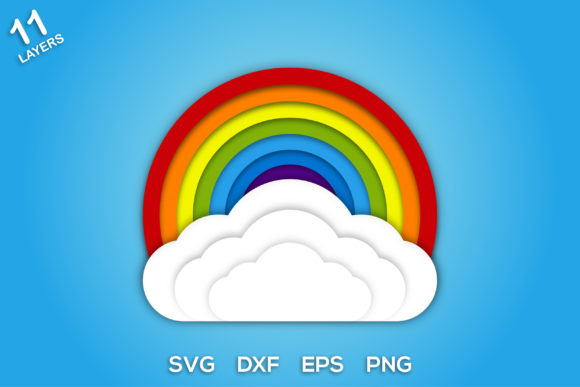
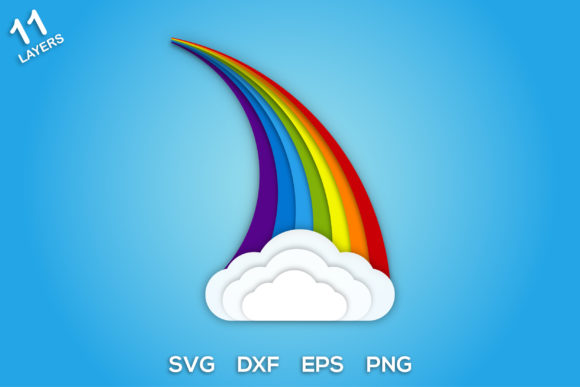
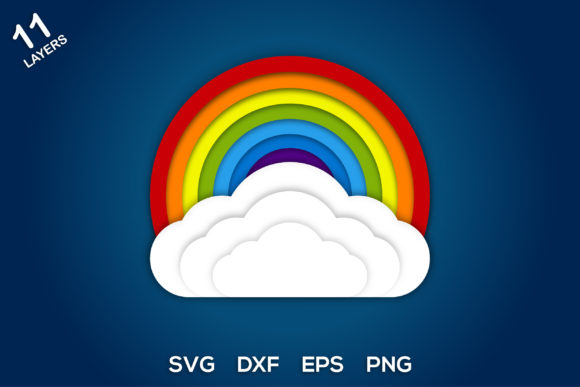
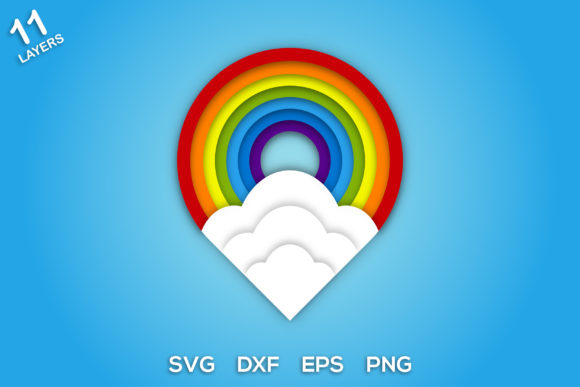
This isn't just a cute graphic; it is a potential centerpiece for a craft business looking to capitalize on joy and nostalgia. The design carries a specific mood—optimistic, playful, and modern. Unlike traditional, flat rainbows we see in vintage baby embroidery, this iteration leans into a "pop-out" aesthetic. Even before digitizing it for a machine, the visual personality suggests depth. For an Etsy seller or boutique owner, this kind of visual pop is crucial. It stops the scroll on social media and adds perceived value to a small shop product.
Real-World Application: The Custom Tote Bag Test
To truly evaluate Colorful 3D Rainbow Svg Design 3, I imagined a specific real-life scenario: a custom order for a local farmer's market vendor who needed branded tote bag design options. She wanted something that stood out against natural canvas but wasn't so dense that it made the bag stiff. This design fits that brief perfectly. The layered nature of the 3D SVG concept translates well into embroidery when handled with the right stitch types.
If you are planning to use this for custom apparel, think about a oversized sweatshirt. The curvature of the rainbow arcs works beautifully across the chest or even on a sleeve. However, the "3D" effect in a physical embroidery project relies heavily on your choice of stitches. You aren't just filling shapes; you are building dimension. A combination of satin stitch for the outlines and a textured fill stitch for the interior bands can mimic the layered look promised by the digital file. The result is a finished product that feels premium rather than mass-produced.
For holiday embroidery gifts, such as a personalized apron for a baker or a kitchen towel for a housewarming, this design offers high impact with relatively manageable stitch counts. Customers reacting to the final item usually respond to the clarity of the colors. A muddy rainbow looks amateur; a crisp, vibrant one signals professionalism. This design's layout allows for distinct color separation, which is vital for maintaining that clean look.
Navigating Fabric and Hoop Challenges
While the aesthetic is strong, practical application requires caution. Not every surface is ready for this level of detail. If you are working with stretchy fabric like a thin jersey t-shirt, the density of the multiple arches could cause puckering if not stabilized correctly. The weight of the threads in a multi-layer design can pull on lightweight materials. I always recommend testing on scrap fabric first, specifically matching the weight and weave of your final material.
Stabilizer choice is non-negotiable here. For a project like a cap or a curved hat, where the surface area is small and curved, you need a cut-away stabilizer to support the structure of the rainbow arcs over time. Washability is another factor. If this is going onto a personalized gift for a child, like a backpack or a blanket, the stitch density must be balanced. Too dense, and the item becomes cardboard-like; too sparse, and the backing shows through, ruining the illusion of the 3D effect.
Small hoop sizes present another hurdle. Depending on the specific dimensions of the file you download, ensure the entire rainbow fits within your available hoop size without needing to re-hoop mid-design, which can lead to alignment issues. If the design includes tiny details or sharp corners at the base of the arches, verify that your machine can handle the turn speed without breaking needles or skipping stitches.
Commercial Viability and Brand Consistency
For commercial embroidery professionals, consistency is key. If you are selling this as part of a line of nursery decor or pride month merchandise, the thread colors must remain consistent across batches. The design relies on specific hues to create its gradient or layered effect. Swapping out a standard red for a brick red might subtly change the entire vibe of the piece. I suggest creating a standardized thread chart for this design and sticking to it for every Etsy listing or craft fair item.
The visual appeal of Colorful 3D Rainbow Svg Design 3 directly influences buyer engagement. In a sea of generic clipart, a well-executed embroidered version stands out. It builds customer trust because it shows attention to detail. When a customer sees that the edges are clean and the colors are vibrant, they associate that quality with your brand. This is particularly important for printable mockup creators who need to show realistic previews of what the digital asset looks like when physically realized.
However, a word of caution regarding licensing. The description mentions usage for home decor and gifts, but if you intend to sell the design assets themselves or use them for large-scale commercial branding, you must confirm the license terms provided by the creator. Never assume a file is free for unlimited commercial redistribution just because it looks versatile.
Final Designer Notes for Success
Before committing to a production run, take these practical steps:
- Check Contrast: Review how the design looks on both light and dark backgrounds. You may need to adjust underlay settings for dark fabrics to prevent the fabric color from bleeding through the rainbow bands.
- Inspect Details: Zoom in on the connection points between the arches. Are there jump stitches that need trimming? Is the running stitch outline sufficient to hold the shape?
- Mockup Testing: Create black and white mockups first to ensure the shape holds up without relying on color distraction. If the form looks weak in grayscale, the embroidery might lack definition.
- Verify Formats: Ensure the file format matches your machine. While described as an SVG for cutting machines like Cricut, embroidery machines require specific formats (PES, DST, EXP, etc.). Confirm you have the correct embroidery file version, not just the vector cut file.
- Wash Testing: Always wash and dry a test sample. This reveals if the applique design elements (if applicable) or dense fills shrink differently than the base fabric.
In conclusion, Colorful 3D Rainbow Svg Design 3 is a versatile asset that bridges the gap between digital creativity and tactile craftsmanship. It belongs in the toolkit of any maker looking to add a splash of structured color to their patches, pillow covers, or baby clothes. With the right preparation and respect for the limitations of fabric and thread, it can elevate a simple item into a cherished keepsake.