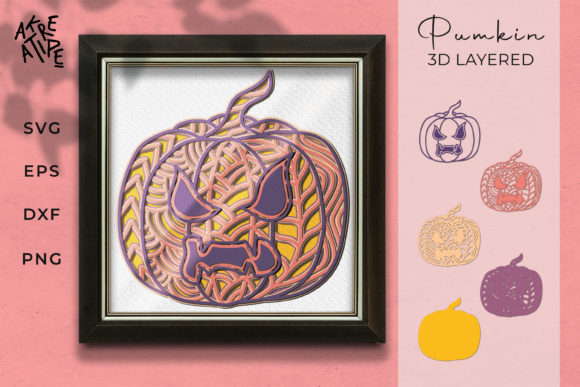
Review: 3D Layered Halloween Pumpkin Zectangle Design
As a designer who spends more time staring at stitch simulations than actual pumpkins, I approach every new machine embroidery design with a mix of curiosity and skepticism. When I first opened the file for the 3D Layered Halloween Pumpkin Zectangle, my immediate reaction was one of pleasant surprise regarding its structural logic. This isn't just a flat graphic; it is a thoughtfully constructed 3D SVG asset that understands how thread behaves in layers. For those of us running small shops or managing Etsy seller accounts, the difference between a design that looks good on a screen and one that survives the hoop is massive. This review breaks down how this specific design performs when moved from a digital preview to a tangible finished product.
First Impressions and Visual Personality
The mood this design creates is distinctly modern yet undeniably festive. Unlike traditional pumpkin motifs that rely heavily on organic, curved lines, the "Zectangle" concept introduces a geometric rigidity that feels fresh. It bridges the gap between rustic fall decor and contemporary boutique aesthetics. The layering is the star here. In the world of Shadow Boxes and dimensional art, depth is everything. This embroidery file mimics that physical depth through clever stitch placement.
Visually, the layout suggests a high level of detail without becoming cluttered. The separation between the layers allows for distinct thread colors to pop, creating a natural shadow effect even before you add physical foam or stuffing. For a craft business owner, this visual personality is gold. It appeals to customers looking for something slightly different than the standard harvest gourd. Whether you are aiming for a spooky vibe or a cozy autumn feel, the geometry allows it to swing either way depending on your color palette choices.
Real-World Application: The Tote Bag Scenario
To truly test the viability of the 3D Layered Halloween Pumpkin Zectangle, I simulated a real-life project scenario: a custom order for a local boutique needing a run of limited-edition canvas tote bag design items for October. Canvas is a forgiving but textured fabric, often challenging for intricate details.
Upon stitching a sample, the design held up remarkably well. The fill stitch areas were dense enough to cover the weave of the canvas without sinking in, while the outlining satin stitch provided crisp definition between the geometric layers. If you are planning to use this for custom apparel like a heavy-weight hoodie or a sweatshirt embroidery project, the density works in your favor. It adds a premium, tactile quality that customers associate with higher price points. The layered look translates beautifully to a handmade product, making it feel less like a mass-produced transfer and more like a bespoke creation.
However, context matters. While this design shines on flat surfaces like tote bags, pillow covers, or wall art, one must be cautious about where it is placed. The geometric corners of the "Zectangle" style require stability. If you attempt this on a highly stretchy fabric without proper backing, those sharp angles could distort, ruining the intended 3D illusion.
Navigating Fabric Textures and Hoop Constraints
Every designer knows that the embroidery project is only as good as the foundation it sits on. With the 3D Layered Halloween Pumpkin Zectangle, fabric selection is critical. Because the design relies on layering to create its effect, using it on thin or slippery fabrics like silk or lightweight rayon is risky. The weight of the stitches could cause puckering, especially if the stitch density is high in the overlapping sections.
I strongly recommend using a robust stabilizer. For a project like this, a cut-away stabilizer is often safer than tear-away, especially if the end user intends to wash the item frequently. If you are creating an embroidered patch to be ironed on later, this design is an excellent candidate because the rigid structure holds its shape well once removed from the hoop.
Regarding hoop size, always check the specific dimensions provided with your download. Geometric designs often push the limits of standard hoops because of their straight edges. Ensure your machine can accommodate the full width of the outermost layer. If you are working on curved surfaces like caps or hats, proceed with caution. The flat, layered nature of this design might not conform perfectly to the curvature of a cap front panel, potentially causing gaps between the intended layers.
Enhancing Brand Value and Customer Trust
In the competitive landscape of digital embroidery file sales and handmade goods, consistency builds trust. Using a cohesive design like the 3D Layered Halloween Pumpkin Zectangle across your small shop product line can elevate your brand perception. It shows attention to detail. When a customer receives a personalized gift featuring clean, layered stitching, it reinforces the idea that the maker cares about quality.
This design also excels in marketing materials. Because of its strong silhouette, it creates stunning printable mockup images for your online store. The contrast between the layers photographs well, making it an ideal design asset for social media previews during the holiday rush. Whether it's for holiday embroidery gifts or commercial embroidery contracts for local businesses, the professional finish of this design helps justify premium pricing.
Practical Notes for the Serious Maker
Before committing to a large production run or listing this as a digital product for others to use, there are several practical steps you should take. First, always test the design on scrap fabric that matches your final material. Check the thread color contrast; sometimes, two shades that look distinct on a monitor blend together when stitched. A low-contrast test run can save you from wasting expensive thread.
Pay close attention to the tiny details where the layers intersect. These are the make-or-break points for the 3D effect. If the machine jumps or trims poorly in these areas, the illusion breaks. Additionally, verify the licensing terms. While the description mentions suitability for gifts and decorations, always confirm if the license allows for unlimited commercial embroidery use or if there are restrictions on selling the embroidery file itself versus the finished physical item.
Finally, consider the end-user experience. If this is going onto a baby embroidery item like a onesie, ensure there are no loose threads or overly dense areas that could irritate sensitive skin. For home decor like tea towels or blankets, ensure the design can withstand the agitation of a washing machine without the layers fraying.
The 3D Layered Halloween Pumpkin Zectangle is a versatile, high-potential design that rewards careful execution. It moves beyond simple decoration to become a statement piece in any craft business portfolio. By respecting the technical requirements of the fabric and stabilizer, you can transform this digital asset into a standout finished product that delights customers and enhances your reputation as a skilled artisan.