3D SVG Christmas Gingerbread House Review
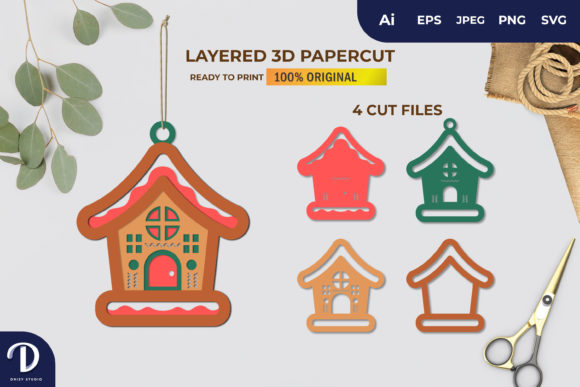
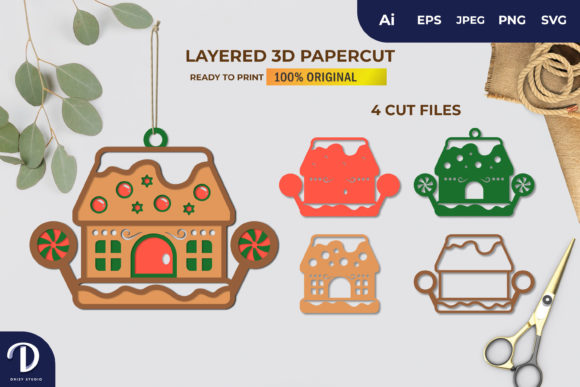
As a digital publisher who spends hours curating the perfect visual identity for content websites, I know that the difference between a scroll-past and a click often comes down to the quality of your graphic design asset. When I first opened the files for the 3D Layered Papercut Gingerbread House, my immediate reaction was one of relief. In a sea of flat, generic holiday clipart, this design offers genuine depth and texture. It creates an editorial mood that is simultaneously playful and sophisticated, striking a balance that is essential for modern blog graphics. The aesthetic feels deeply lifestyle-focused yet artistic enough to elevate a professional brand during the holiday season.
This isn't just a cute illustration; it is a versatile tool for editorial design. The layered nature of the file suggests warmth and craftsmanship, which subconsciously builds reader trust. When you place this on a homepage or a category page, it signals to your audience that you care about the details. For niches like food blogging, DIY crafts, parenting, or interior design, this asset fits naturally. However, its clean lines and structured composition also allow it to work for broader lifestyle publishers looking to add a touch of seasonal whimsy without sacrificing a polished look.
Integrating Depth into Your Publishing Workflow
The true value of the 3D Layered Papercut Gingerbread House lies in its adaptability across a real publishing workflow. As someone who manages multiple content streams, I see immediate applications for this digital download. First and foremost, it serves as an exceptional hero image for blog posts. Unlike standard stock photos that can feel impersonal, this vector-based art scales perfectly for high-resolution displays while maintaining crisp edges.
For content marketing strategies reliant on Pinterest, this asset is a goldmine. The distinct layers allow you to create dynamic Pinterest pin designs where text can be nestled between the "paper" cuts, creating a natural visual hierarchy that guides the eye. You can use the background layers for newsletter headers, adding a festive touch to your email campaigns without overwhelming the copy. Furthermore, because the original concept highlights its potential as a light box or wall decoration, it is perfect for creating downloadable resources. Imagine offering this as a printable design for your subscribers or including it as a bonus element in a holiday-themed digital guide or eBook cover.
If you are an affiliate marketer promoting crafting tools, Cricut machines, or home decor, this image acts as a powerful visual anchor. It demonstrates the end result of a project or sets the mood for a gift guide. The fact that it functions as a 3D SVG means you have the flexibility to manipulate colors to match your specific brand identity, ensuring consistency across all your social media graphics.
Boosting Performance Through Visual Polish
In the competitive landscape of web publishing, first impressions are everything. Using a high-quality asset like the 3D Layered Papercut Gingerbread House directly impacts content performance. A stronger first impression leads to lower bounce rates. When a visitor lands on a page featuring professional, layered artwork, they perceive the content as more authoritative and trustworthy. This improved reader trust is crucial for converting casual browsers into loyal followers or customers.
Consistent use of such design elements fosters better category recognition. If you use this style of layered paper art for all your Christmas content, your regular readers will instantly recognize your holiday series. This strengthens your overall visual identity. Moreover, the clarity of the vector lines ensures that your website headers and article thumbnails look sharp on retina displays, contributing to a more professional-looking content page that stands out against competitors using low-resolution JPEGs.
Ideal Use Cases and Strategic Placement
To get the most out of this creative design, you need to deploy it strategically. It works best as a focal point. Use it for:
- Hero Images: Center stage on landing pages or featured blog posts.
- Article Thumbnails: Especially effective when paired with bold, contrasting typography.
- Editorial Accents: Use individual layers as dividers or bullet points within long-form content.
- Content Upgrades: Incorporate it into worksheets or checklists as a decorative border.
- Newsletter Headers: A festive way to start your weekly digest.
- Social Media Previews: Perfect for Instagram stories or Facebook post backgrounds.
The versatility extends to Canva template creation. You can upload the SVG layers and build reusable templates for your team, ensuring that every piece of holiday content maintains a cohesive look. For small business owners selling digital products, this asset can be the main visual on sales pages, demonstrating the quality of your offerings.
When to Exercise Caution
While the 3D Layered Papercut Gingerbread House is a robust asset, it requires thoughtful application. It should be used carefully in contexts where simplicity is paramount. For instance, on very small mobile thumbnails, the intricate layering might get lost, reducing the image to a muddy blob. In these cases, simplify the composition or use a single layer.
Avoid placing it over text-heavy blog images where it might compete for attention. The design has a certain playfulness that might clash with serious professional niches, such as corporate finance or legal advice, unless used very sparingly as a minor accent. Additionally, be mindful of low-contrast backgrounds; the subtle shadows that give the paper cut effect its depth need a clean backdrop to shine. If your website relies on a strictly minimal visual system with no color, ensure the grayscale conversion of this asset retains enough contrast to remain effective.
Practical Notes for Publishers and Designers
Before integrating this into your live site, follow these practical steps to ensure optimal performance:
- Test Across Devices: Always preview the asset on both desktop and mobile screens to ensure the layers render correctly and the file size doesn't slow down loading times.
- Thumbnail Check: Shrink the image down to 150x150 pixels. Does the gingerbread house still look recognizable? If not, adjust the crop.
- Typography Pairing: Experiment with different font styles. This design pairs beautifully with serif fonts for a classic editorial look, sans serif for modern cleanliness, and script or handwritten fonts for a cozy, personal vibe. Avoid overly decorative display fonts that might clash with the intricate paper details.
- Contrast and Readability: Place the image against your actual website background colors. Test it in black and white to ensure the structural integrity holds up even without color.
- File Optimization: While SVGs are scalable, if you convert them to PNG for web use, ensure you compress the images properly to maintain fast page speeds.
- Licensing Verification: Most importantly, confirm the commercial license terms. Since this is intended for monetized websites, affiliate pages, or paid content products, you must ensure your usage rights cover commercial design applications. Purchasing from a reputable creative marketplace usually provides this clarity, but always read the fine print regarding small business branding and resale restrictions.
Ultimately, the 3D Layered Papercut Gingerbread House is more than just a holiday graphic; it is a strategic component for enhancing your digital presence. By leveraging its layered depth and artistic charm, you can create content that not only looks beautiful but also performs better, driving engagement and reinforcing your brand's commitment to quality.