Review: 3D SVG Christmas Tree for Design Projects
As a graphic designer constantly juggling seasonal campaigns for boutique clients, the pressure to deliver fresh, high-quality visuals before the holiday rush is immense. Recently, while developing a winter collection for a handmade jewelry brand looking to expand into seasonal gifting, I evaluated the 3D Christmas Tree Papercut SVG. My goal was to determine if this asset could elevate their packaging and social media presence without requiring hours of custom illustration. The first impression was immediate: this isn't just a flat icon; it is a sophisticated graphic design asset that brings depth and texture to digital and physical mediums.
Visual Mood and Stylistic Fit
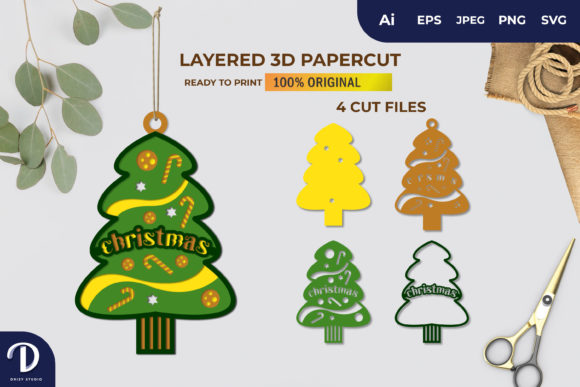
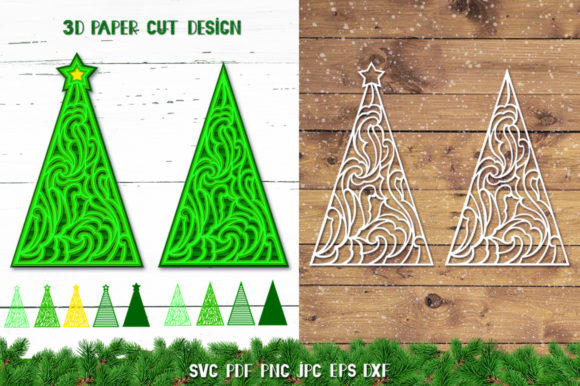
The aesthetic of this 3D Layered Christmas Tree leans heavily into the modern "papercut" style, which has become a staple in contemporary brand identity work. Unlike traditional, cartoonish holiday graphics, this design offers a clean, architectural feel. The layered approach creates an illusion of depth that mimics hand-cut paper, evoking feelings of craftsmanship and warmth. This specific mood makes it an ideal candidate for handmade business branding, artisanal product lines, and boutique marketing materials where authenticity is key.
For my client, who targets an audience that appreciates tactile, high-end goods, the 3D Papercut design fit perfectly. It bridges the gap between digital convenience and analog charm. When placed against soft, muted backgrounds or textured paper mockups, the sharp vectors of the tree provide a striking contrast that feels both festive and professional. It avoids the clutter often associated with holiday designs, maintaining a sense of elegance that supports rather than overwhelms the brand message.
Real-World Application in Client Projects
In terms of versatility, this SVG design performs exceptionally well across various touchpoints. For packaging design, the layered structure allows for creative die-cutting opportunities. If the client decides to produce limited edition gift boxes, the file can be sent directly to a plotter for precise paper cutting, turning a simple box into a memorable unboxing experience. Similarly, for print-on-demand applications, the design translates beautifully onto tote bags and textile surfaces via sublimation. The distinct layers ensure that even when printed on fabric, the tree retains its dimensional look.
I also tested the asset for social media graphics and digital ads. When used as a hero graphic in Instagram stories or Pinterest pins, the 3D Christmas Tree commands attention without needing excessive animation. Its inherent depth stops the scroll effectively. For web design, the scalable nature of the SVG ensures crisp rendering on retina displays, making it suitable for website headers or promotional banners. Furthermore, it serves as an excellent element for editorial design, such as holiday lookbooks or email newsletters, where it can act as a section divider or a decorative accent.
Ideal Use Cases for Maximum Impact
To get the most out of this creative design, it is best deployed in areas where scale and detail can be appreciated. It shines in:
- Large layout areas: Hero sections on landing pages or large format posters where the layering details are visible.
- Product mockups: Enhancing presentations for Etsy products or catalog spreads.
- Themed collections: Creating a cohesive visual language across a series of holiday cards or stickers.
- Packaging details: Used as a focal point on labels, seals, or box lids.
- Printable designs: High-resolution wall art or greeting cards for small business branding.
Constraints and Design Caution
However, professional judgment dictates knowing when not to use an asset. The intricate layering of this 3D SVG means it can lose definition if scaled down too aggressively. In crowded layouts or small favicon sizes, the delicate gaps between layers may disappear, resulting in a muddy silhouette. It is also less suitable for ultra-minimalist corporate branding that relies on extreme simplicity, as the papercut style introduces a level of decorative complexity that might clash with a stark, utilitarian aesthetic. Additionally, care must be taken with low-contrast designs; placing light layers against a light background can render the 3D effect invisible, compromising the visual hierarchy.
Impact on Brand Perception and Readability
Integrating the 3D Christmas Tree Papercut SVG into a project significantly influences emotional appeal and audience engagement. The handcrafted look fosters a sense of trust and approachability, suggesting that the brand cares about details. This is crucial for marketing visuals during the holidays, where consumers are bombarded with generic imagery. By using a unique, layered illustration, a brand can stand out and appear more premium.
Regarding readability and hierarchy, the tree acts as a strong visual anchor. When paired with typography, it is essential to balance the weight of the image with the font choice. I found that pairing it with a clean sans serif font maintains a modern look, while a delicate script font enhances the handmade vibe. A bold display font can create a playful, poster-like effect. The key is ensuring the text does not compete with the tree's internal details. Proper spacing and contrast are vital to maintain professionalism and ensure the message remains clear.
Practical Designer Notes and Technical Checks
Before finalizing any client deliverable with this digital product, several technical checks are mandatory. First, always test the design in black and white to ensure the layers hold up without color reliance. Check contrast on both light and dark backgrounds to verify visibility. Preview the asset at various sizes—from a massive billboard down to a mobile screen—to confirm the layers do not merge unintentionally.
When preparing for production, place the graphic on real product mockups to gauge how it interacts with shadows and textures. If using for print, verify the file formats provided; while the SVG is excellent for vector editing, ensure high-resolution PNGs are available if the client needs raster files. Inspect transparency carefully to avoid unwanted white boxes around the layers. Compare the tree against different typefaces—serif, sans serif, handwritten—to find the perfect typographic match for the specific campaign.
Finally, and perhaps most importantly, confirm the commercial license. As a designer working for paying clients, you must ensure the design bundle or individual asset allows for commercial use, especially if the end product is for resale, such as t-shirt design or sticker design sold on a creative marketplace. Understanding the licensing terms protects both you and your client from legal issues.
In conclusion, the 3D Christmas Tree Papercut SVG is a robust, versatile tool for the modern designer. Whether used for a Cricut project, a Canva template, or a high-end packaging design, it offers the depth and quality needed to create polished, professional results. With careful application and attention to technical details, it can be the centerpiece of a successful holiday campaign.