3D Butterfly Mandala: A 3D SVG Shape for Brands
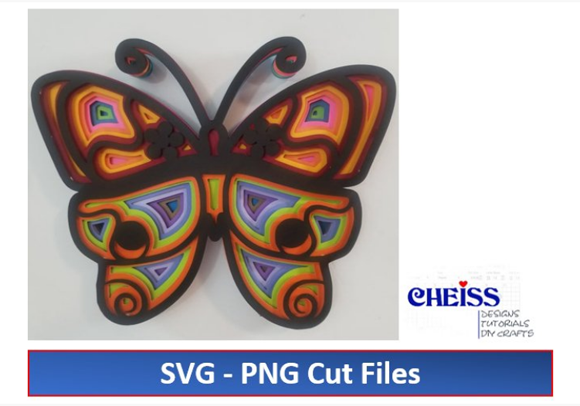
As a brand designer who has spent the last decade helping local businesses find their visual voice, I approach every new graphic design asset with a critical eye. It is not enough for an illustration to be pretty; it must serve a strategic purpose within a brand identity. Recently, I evaluated the 3D Butterfly Mandala for a potential project involving a boutique handmade soap company looking to elevate their packaging design. My initial impression was one of delicate complexity. The layered nature of the artwork suggests a mood that is both organic and meticulously crafted, striking a balance between the wild freedom of nature and the structured symmetry of a mandala.
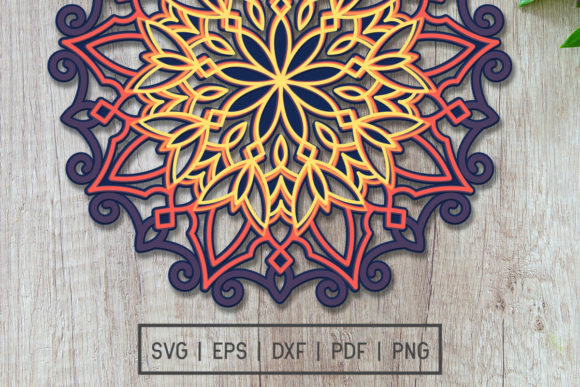
This specific digital product exudes a personality that feels feminine, elegant, and slightly whimsical without crossing into childish territory. For a local business in the wellness, beauty, or artisanal food sector, this aesthetic can signal premium quality and attention to detail. The "3D" aspect mentioned in the title refers to the layering capability inherent in the file structure, which allows for depth when colors are applied strategically. This makes it an excellent candidate for creating a stronger first impression on shelf displays where texture and depth often catch the consumer's eye before they even read the label.
Elevating Product Presentation and Shelf Appeal
In the context of real-world application, the 3D Butterfly Mandala shines brightest when used as a hero graphic or a decorative accent on product labels. Imagine a glass jar of luxury body butter or a box of artisanal teas. Placing this intricate shape as a central focal point creates immediate better product recognition. Because the design is complex yet symmetrical, it provides a clearer visual hierarchy; the eye is drawn to the center and then expands outward, framing the brand name effectively.
For handmade business owners, consistency is key to building trust. Using this asset across various touchpoints—from the primary label to hang tags and thank-you cards—fosters a more consistent brand identity. When a customer sees the same distinctive butterfly motif on the packaging, the social media post, and the tissue paper inside the box, it reinforces improved customer trust. It tells the customer that the brand is established and professional. Furthermore, the detailed lines of the mandala add a layer of sophistication that contributes to more professional packaging, helping small brands compete with larger retailers by offering better shelf appeal.
Versatility Across Marketing Channels
The utility of this design asset extends far beyond physical goods. In today's digital-first marketplace, social media graphics require high-quality visuals that stop the scroll. The 3D Butterfly Mandala works beautifully as a watermark, a background pattern with reduced opacity, or a frame for product announcements. For marketing visuals used in promotional ads, the intricate details suggest a story of craftsmanship, which helps forge a stronger emotional connection with the audience.
I also see significant potential for this shape in editorial design and web design. It can serve as a section divider on a website or a decorative element in a lookbook. When creating product mockups for client presentations, having a layered file allows the designer to manipulate individual elements to fit the curvature of a bottle or the fold of a box, resulting in more polished marketing visuals. Whether used for seasonal campaign visuals during spring launches or as a year-round logo mark, the adaptability of the Shapes category ensures it remains relevant.
Strategic Placement and Design Caution
While the 3D Butterfly Mandala is versatile, it is not a one-size-fits-all solution. There are specific scenarios where it should be used carefully. For instance, in formal corporate branding for law firms or financial institutions, the whimsical and organic nature of a butterfly might undermine the desired tone of authority and stability. Similarly, one must be cautious when applying it to very small labels. The fine lines that make the mandala beautiful can disappear or blur when printed at a tiny scale, leading to a muddy appearance.
It is also crucial to avoid using this asset in crowded product packaging layouts. If the label already contains extensive ingredient lists, legal information, or barcodes, adding a complex mandala can create visual noise. In ingredient-heavy layouts or areas designated for legal information areas, clarity is paramount, and decoration should never compete with important text. Additionally, for luxury minimalist brands that rely on vast amounts of negative space and simple typography, this detailed illustration might feel too busy. Care must also be taken with low-contrast backgrounds; a dark mandala on a dark background will lose its impact entirely.
Practical Notes for the Professional Designer
Before integrating the 3D Butterfly Mandala into a client project, I always follow a strict checklist to ensure professional branding standards are met. First, test it on real packaging mockups. Digital screens often lie about how ink sits on paper or how a sticker looks on a textured surface. Second, check black and white usage. A strong brand mark must work in monochrome for faxed documents, embossing, or single-color stamping. If the layers rely solely on color gradients to define the shape, it may fail in grayscale.
It is vital to preview it on small labels to ensure legibility. When testing it with brand colors, try contrasting palettes to see if the "3D" effect holds up. I also recommend you compare it with competitor packaging to ensure your client stands out rather than blends in. Regarding technical specs, since this is a 3D SVG and PNG file, you should review PNG transparency to ensure there are no unwanted white halos around the edges. Inspect the SVG design or vector editability to confirm you can recolor layers easily in your preferred software.
Typography pairing is another critical step. Test it beside serif font styles for a classic, apothecary look, or pair it with a sans serif font for a modern twist. A script font or handwritten font can enhance the handmade feel, while a bold display font can ground the delicacy of the butterfly. Finally, and perhaps most importantly, always confirm commercial licensing before using any clipart or illustration for client work, business branding, or physical product sales. Ensure the license covers the specific scope of your commercial design needs.
In conclusion, the 3D Butterfly Mandala is a powerful tool in the arsenal of a creative entrepreneur. When used with intention and strategic foresight, it transforms from a simple digital download file into a cornerstone of a brand's visual language. By understanding its strengths in creating depth and its limitations in crowded spaces, designers can leverage this asset to build memorable, trustworthy, and visually stunning identities for small business branding projects worldwide.