3D SVG Shapes: A Publisher's Review of Mandala Files
As a digital publisher who has spent years curating the visual identity of multiple high-traffic blogs, I approach every new graphic design asset with a critical eye. It is not enough for an image to be pretty; it must perform. It needs to stop the scroll on Pinterest, anchor a newsletter header, and convey professionalism in a split second. Recently, I evaluated the 3D Mandala SVG Design File collection to see if it holds up under the demands of real-world content marketing and editorial design. My first impression was immediate: this is not just a decorative element; it is a structural tool for building visual hierarchy.
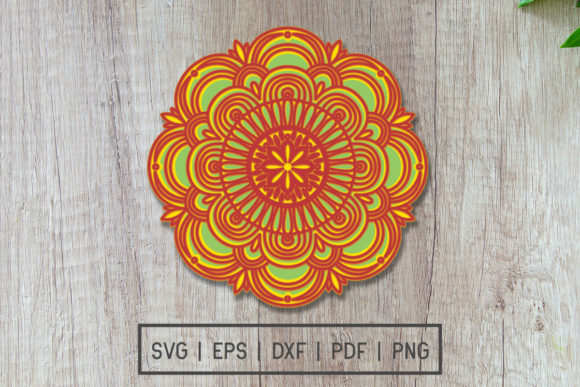
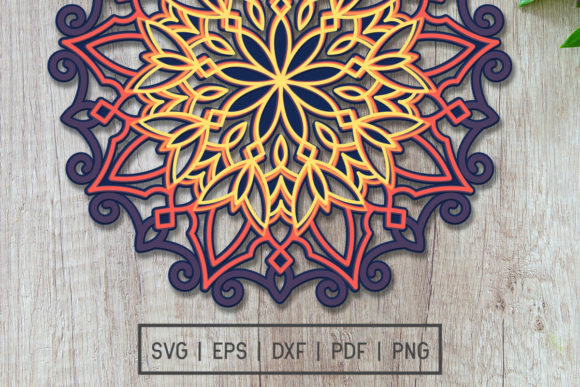
The aesthetic mood created by these files is distinctly artistic yet grounded. Unlike flat vector art that can sometimes feel sterile, the depth implied in these 3D SVG shapes adds a layer of sophistication. They feel modern and clean, avoiding the cluttered look that often plagues ornamental designs. For niches focused on wellness, spirituality, creative entrepreneurship, or lifestyle blogging, this asset feels right at home. However, its versatility extends further. The intricate geometry supports educational content by breaking up text-heavy layouts, and it offers a feminine touch without sacrificing boldness. When placed against a white background, the shadows and layers create a tactile feeling that invites the reader to look closer.
Elevating Editorial Layouts and Blog Graphics
In the workflow of a serious content creator, consistency is king. I tested these files across various blog graphics scenarios, starting with featured images. The complexity of the mandala provides an excellent backdrop for overlay text, provided you use a strong sans serif or display font to ensure readability. I found that using the PNG versions for web headers allowed for quick integration, while the vector formats offered infinite scalability for large website header banners.
For editorial design, these shapes serve as powerful section dividers. Instead of a simple horizontal line, dropping a scaled-down mandala between article sections creates a breathing room that guides the eye naturally. This improves the user experience on long-form content, reducing bounce rates by making the page feel less like a wall of text. When designing Pinterest pin templates, the vertical symmetry of the mandala works exceptionally well. It frames the headline perfectly, drawing attention to the core message while adding enough visual interest to stand out in a crowded feed.
Versatility Across Digital Products and Social Media
Beyond standard blog posts, I explored how this asset functions within the ecosystem of digital product creation. If you are an online educator creating a digital guide or an eBook, these designs make for stunning cover art. The 3D effect gives the product a premium feel, suggesting high value to potential buyers. As a lead magnet cover, it signals that the content inside is curated and thoughtful.
For social media managers, the utility is equally high. These files can be imported directly into a Canva template to create cohesive social media graphics for Instagram stories or Facebook ads. The geometric nature of the Shapes category allows them to be recolored easily to match specific brand palettes. Whether you are running an affiliate marketing campaign or promoting a service, having a library of consistent visual elements strengthens your brand identity. Readers begin to associate that specific mandala style with your voice, building trust over time.
Performance, Trust, and Visual Impact
The ultimate goal of any creative design in publishing is to drive action. Does the image make the user click? In my testing, the 3D Mandala SVG Design File significantly improved the perceived quality of the landing pages I updated. A polished visual presentation correlates strongly with reader trust. When a site looks professionally designed, users assume the content is equally authoritative. This is crucial for small business branding where every pixel counts toward conversion.
The asset supports better category recognition as well. By using a specific variation of the mandala for all "How-To" guides and another for "Reviews," you create a subconscious navigational aid for your audience. This strengthens the overall web design structure, making the site feel more intuitive. The clarity of the lines ensures that even when compressed for web performance, the details remain sharp, maintaining that professional edge on both retina displays and standard monitors.
Strategic Placement and Cautionary Notes
While these assets are powerful, they must be used with intention. They work best as hero images, article thumbnails, and dedicated printable design elements. However, caution is required when deploying them in small mobile thumbnails. The intricate details of a mandala can turn into mud if the resolution is too low or the size is too small. In these cases, simplify the usage or stick to the boldest parts of the design.
Furthermore, avoid placing these over busy backgrounds or text-heavy areas without sufficient contrast. In serious corporate niches or highly minimalistic portfolios, the ornate nature of a mandala might feel out of place. It is essential to test the design against your specific niche expectations. For example, a law firm's blog might find this too decorative, whereas a life coach's site would embrace it fully.
Practical Publisher Notes for Implementation
Before integrating this into your live environment, follow these practical steps to ensure optimal results:
- Test Responsiveness: Always preview the asset on both desktop and mobile screens. What looks balanced on a monitor might overwhelm a phone screen.
- Font Pairing: Experiment with pairing the mandala beside serif fonts for an elegant look, or handwritten fonts for a personal touch. Ensure the text remains legible.
- Contrast Checks: Try the design in black and white to verify that the form holds up without color reliance. This is vital for printables and grayscale previews.
- File Optimization: While vectors are scalable, always compress your PNG exports for web speed. Large file sizes can hurt SEO and load times.
- Licensing Verification: Confirm the commercial licensing terms before using these on monetized websites, affiliate pages, or products you intend to sell.
Regarding the technical delivery, the process is seamless for immediate workflow integration. Upon acquisition, you gain instant access to a comprehensive ZIP folder. This archive is thoughtfully organized, containing the essential SVG files for web and cutting machines, alongside DXF and EPS formats for compatibility with various design software like Adobe Illustrator or CorelDRAW. Additionally, the inclusion of high-resolution PNG and PDF files means you can start designing immediately without needing to convert formats yourself. This variety ensures that whether you are a digital download seller or a blogger, you have the right file for every stage of your content marketing pipeline.
In conclusion, the 3D Mandala SVG Design File is a robust addition to any publisher's toolkit. It bridges the gap between artistic expression and functional design, offering a way to elevate commercial design projects with ease. By understanding where and how to deploy these shapes, you can transform ordinary content into visually compelling narratives that resonate with your audience and drive engagement.