3D SVG Shapes: Reviewing Honey Bee 3 for Branding
As a brand designer who has spent years helping local businesses distinguish themselves on crowded shelves and digital feeds, I approach every new graphic design asset with a critical eye. It is not enough for an illustration to be cute; it must serve a strategic purpose within a broader brand identity. Recently, I evaluated the 3d Layered SVG. Honey Bee 3 for a potential project involving a boutique artisanal honey and skincare line. My goal was to determine if this specific file could elevate their packaging design and product label aesthetics from generic to premium.
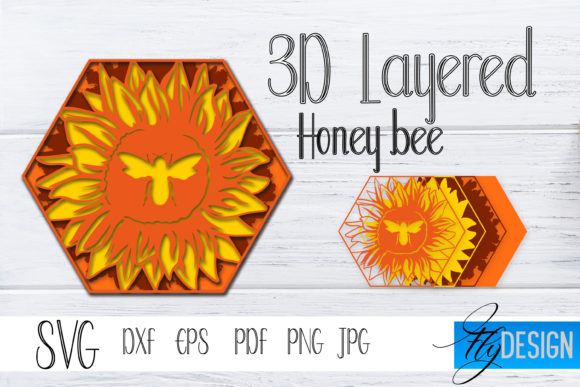
Upon first inspection, the 3d Layered SVG. Honey Bee 3 exudes a warm, organic, and handcrafted mood. Unlike flat vector icons that can sometimes feel sterile or overly corporate, this multilayered design suggests depth and texture. It feels friendly yet sophisticated, making it an ideal fit for handmade business ventures that rely on storytelling. The layered nature of the file immediately brings to mind paper-cut crafting, which translates beautifully into physical printable design applications like embossed labels or die-cut hang tags. For a local business trying to convey authenticity, this asset hits the right emotional notes without screaming for attention.
Elevating Product Presentation and Shelf Appeal
The primary value of incorporating the 3d Layered SVG. Honey Bee 3 into a small business branding package lies in its ability to create a stronger first impression. In the world of commercial design, visual hierarchy is everything. When a customer picks up a jar of honey or a bottle of lotion, their eye needs a focal point. This 3D SVG acts as a hero graphic, drawing attention immediately due to its simulated depth. By using the layers to create shadow effects in a product mockup, we can simulate a high-end embossed look even on standard paper stock.
This asset supports better product recognition by providing a consistent visual thread across various touchpoints. Imagine using the bee motif on the main product label, then scaling it down for a thank-you card included in the shipment, and finally adapting it for social media graphics. This consistency builds customer trust. It signals that the brand cares about details, which often translates to perceived quality of the product itself. For marketing visuals, the depth of the design adds a polished feel that flat clipart simply cannot match, helping the brand stand out against competitors who may be using cheaper, single-layer illustrations.
Strategic Applications for Local Entrepreneurs
For boutique owners and food businesses, the versatility of the 3d Layered SVG. Honey Bee 3 is a significant advantage. Here is how I would deploy this asset in a real-world scenario:
- Packaging Accents: Use the outer layers as a decorative border on box lids or bag seals to add a tactile element to the unboxing experience.
- Hang Tags and Stickers: The cut-file nature of this design makes it perfect for die-cut stickers that can be applied to glass jars or fabric bags.
- Social Media Graphics: Leverage the layers to create animated posts where the wings or shadows move slightly, increasing engagement on platforms like Instagram.
- Seasonal Campaigns: Adapt the color palette of the layers to fit spring promotions or harvest themes, keeping the core identity intact while refreshing the look.
- Website Banners: Utilize the SVG format for crisp, scalable web headers that load quickly but retain high resolution on retina displays.
Furthermore, this digital product excels in editorial design contexts, such as lookbooks or menu graphics for a cafe selling honey-infused treats. The ability to separate layers allows a designer to place text behind certain elements of the bee, creating a sophisticated integration of typography and illustration that feels custom-made rather than templated.
Where to Exercise Caution in Design Execution
While the 3d Layered SVG. Honey Bee 3 is a powerful tool, it is not a one-size-fits-all solution. As a professional, I must advise against using this level of detail in very small labels where the layers might blur together when printed at a reduced size. It is also unsuitable for areas crowded with legal information or ingredient lists, as the decorative nature of the bee could compete with legibility.
Additionally, this asset might clash with ultra-minimalist luxury brands that rely on stark whitespace and simple sans-serif typography. The intricate layering suggests a rustic or artisanal vibe that could undermine a brand aiming for a cold, futuristic, or strictly corporate aesthetic. It should also be avoided on low-contrast backgrounds where the subtle shadow effects intended by the 3D Layered Shadowbox style would be lost, rendering the image flat and muddy.
Practical Notes for Brand Designers
Before finalizing any logo design or packaging design using this asset, there are several technical steps I recommend. First, always test the design on real product mockups to see how the layers interact with the curvature of bottles or the texture of kraft paper. Check the black and white usage to ensure the design holds up in monochrome printing, which is common for receipts or basic stamps.
It is crucial to preview the asset on small labels to confirm that the finest details of the Multilayered SVG do not disappear during the cutting or printing process. Experiment with pairing the bee beside different font styles; it often pairs wonderfully with handwritten or script fonts that reinforce the handmade feel, but it can also provide a nice contrast to bold display fonts. Finally, and most importantly, always review the commercial license terms. Ensure that the creative marketplace source allows for use in physical product sales and client work, protecting both your agency and your client from legal issues.
In conclusion, the 3d Layered SVG. Honey Bee 3 is more than just a clipart or illustration; it is a strategic component for building a cohesive brand identity. When used thoughtfully in web design, sublimation print, or physical packaging, it offers the depth and character that modern consumers crave from local brands. By understanding its strengths and limitations, designers can transform a simple shape into a cornerstone of a successful professional branding strategy.