3D Layered Bee: A Modern 3D SVG for Shapes & Web Design
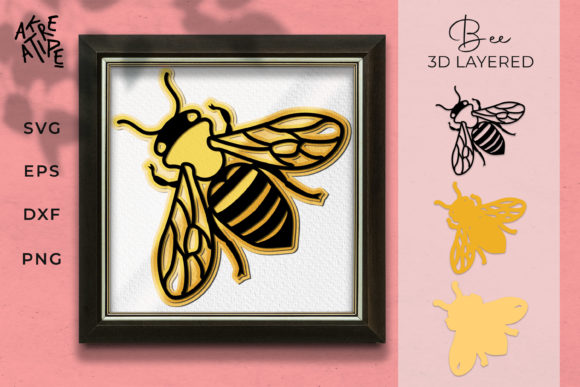
As a digital publisher who spends hours curating the perfect visual identity for client blogs and editorial sites, I approach every new graphic design asset with a critical eye. It is not enough for an image to be cute; it must perform. It needs to stop the scroll on Pinterest, anchor a website header, and convey a specific mood that aligns with the brand's voice. When I first loaded the 3D Layered Bee file into my design workspace, my immediate reaction was one of pleasant surprise regarding its dimensional quality. Unlike flat vector icons that often feel sterile, this asset brings a tactile, layered depth that suggests movement and life.
The editorial mood created by this piece is distinctly lifestyle-focused yet polished. It strikes a balance between playful and artistic, making it an ideal candidate for niches centered around nature, gardening, sustainable living, or even boutique small business branding. The "3D" effect is achieved through clever layering rather than heavy rendering, which means it retains the crisp scalability of a vector while offering the visual weight of a photograph. For content creators, this translates to a stronger first impression. In a sea of generic stock photography, a stylized, dimensional illustration like this signals that a blog or website cares about unique visual hierarchy and custom brand identity.
Integrating Dimensional Art into Real Publishing Workflows
In my daily workflow, I am constantly looking for assets that can serve multiple functions without losing quality. The 3D Layered Bee excels here because it is fundamentally versatile. While the product description notes that the on-screen colors are examples and can be changed to suit your specific palette, the structural integrity of the layers remains the star. This flexibility is crucial for content marketing where consistency is key. I can easily recolor the bee to match a spring pastel theme for a newsletter or shift it to bold amber and black for a high-contrast affiliate landing page.
Here is how I envision deploying this asset across a typical content publishing ecosystem:
- Blog Featured Images: Placing the bee alongside a bold serif headline creates an instant focal point for articles about pollinators, honey recipes, or garden planning.
- Pinterest Graphics: The vertical nature of many bee illustrations works perfectly for pins, driving traffic back to the site with a clickable, eye-catching visual.
- Newsletter Headers: Using the graphic as a banner top adds a professional yet welcoming touch to weekly digests.
- Digital Guides and eBooks: As a cover element or chapter divider, the 3D effect adds perceived value to downloadable resources.
- Social Media Posts: It serves as a strong anchor for Instagram stories or Facebook posts promoting seasonal sales or new content.
- Website Banners: It can act as a hero image accent, breaking up white space without overwhelming the text.
The ability to use this as a digital download resource is also significant. For online educators or coaches selling printable design packs, this file could be the centerpiece of a "Nature-Inspired Planner" kit. Because the colors are customizable, it fits seamlessly into various Canva template structures, allowing end-users to drag, drop, and recolor without needing advanced vector software skills.
Boosting Click-Through Rates and Reader Trust
Why does a specific 3D SVG matter for performance? In the world of affiliate marketing and ad revenue, trust is currency. Generic clip art can make a site look amateurish, potentially lowering the time a user spends on the page. High-quality, layered illustrations signal professionalism. When a reader sees a cohesive creative design system—where the bee graphic matches the fonts and color scheme—they are more likely to trust the advice given in the article.
Furthermore, this asset supports better category recognition. If you run a lifestyle blog with distinct sections for "Home," "Garden," and "DIY," using the 3D Layered Bee consistently in the "Garden" section creates a visual shorthand. Readers begin to associate that specific shape and style with your garden content, improving navigation and user experience. This strengthens the overall small business branding effort, making the site feel like a curated magazine rather than a collection of random posts.
Strategic Placement and Visual Caution
While the 3D Layered Bee is a powerful tool, it must be used strategically. It shines brightest in hero images, article thumbnails, and as an editorial accent in whitespace-heavy layouts. It is particularly effective when paired with clean sans-serif fonts or elegant script fonts that mimic handwriting, enhancing the organic feel of the subject matter.
However, there are scenarios where caution is required. In very small mobile thumbnails, the intricate details of the "layered" effect might get lost or appear muddy if the resolution isn't optimized. Similarly, placing this graphic over a busy, textured background or a text-heavy section can reduce readability and create visual noise. For corporate websites or niches requiring a strictly minimal, ultra-serious tone (like legal or financial advice), this playful, dimensional style might feel out of place unless heavily stylized into a monochrome silhouette.
Practical Notes for Publishers and Designers
Before integrating this design asset into a live production environment, I recommend a rigorous testing phase. First, view the graphic on both desktop and mobile screens to ensure the layers render correctly and the colors maintain their vibrancy. Check how it looks as a tiny thumbnail in a sidebar widget versus a full-width website header. Contrast is king; ensure the bee stands out clearly against your chosen background colors.
Typography pairing is another critical step. Test the bee beside different font families. Does it complement a bold display font for a sale announcement? Does it soften a rigid geometric sans-serif? Experimentation here yields the best editorial results. Additionally, pay close attention to file performance. Even though SVGs are generally lightweight, ensure the code is clean and compressed to avoid slowing down your page load times, which is a vital factor for SEO.
Finally, and perhaps most importantly, verify the licensing terms. The description hints at its use for gifts and home decorations, but as a publisher, you must confirm the commercial license specifics. Ensure you have the rights to use this commercial design on monetized websites, in paid digital products, or within affiliate content visuals. Sourcing from a reputable creative marketplace usually provides this clarity, protecting your business from legal issues down the line.
In conclusion, the 3D Layered Bee is more than just a decorative shape; it is a functional component of modern web design. Its ability to be recolored, scaled, and layered makes it a versatile ally for bloggers and publishers looking to elevate their visual storytelling. By treating it as a core part of your editorial design strategy, you can create content that is not only beautiful but also engaging and effective.